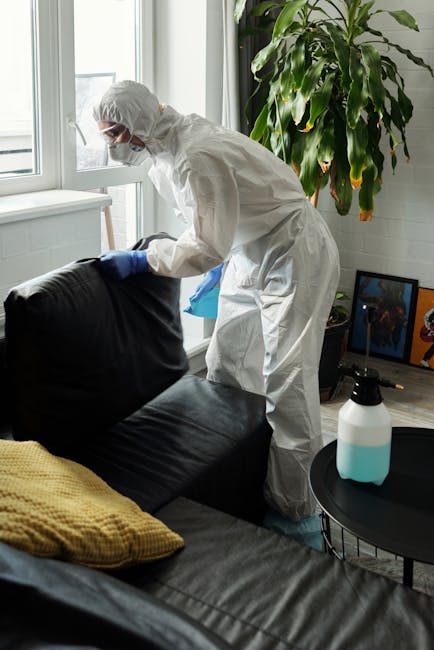
Eco friendly sofa cleaning Northolt High Street
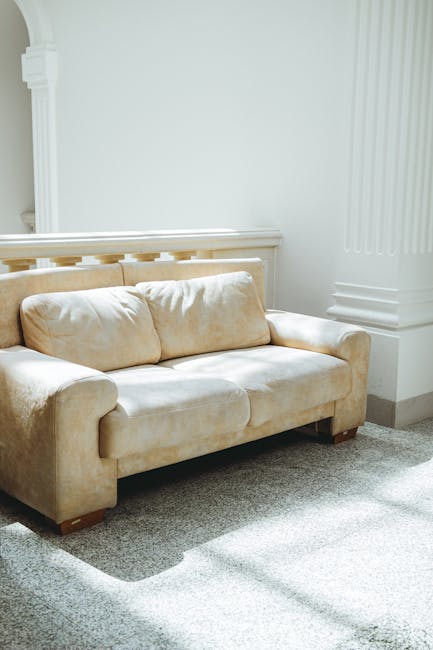
If your sofa is looking a bit tired, carrying the usual mix of crumbs, pet hair, daily wear, and that one mysterious mark from last Sunday's tea, you are not alone. Eco friendly sofa cleaning Northolt High Street is the practical, low-impact way to freshen upholstery without flooding your home with harsh chemicals or unnecessary residue. It suits busy homes, landlords, families, and anyone who wants a cleaner living space that still feels comfortable, safe, and easy to breathe in.
In this guide, we'll look at how eco-conscious sofa cleaning works, what makes it different, who benefits most, and the small details that make a big difference to the result. We'll also cover common mistakes, useful methods, and what to expect if you are comparing options in Northolt High Street. Truth be told, a sofa can hide a lot more than people think.
- Why eco friendly sofa cleaning matters
- How the cleaning process works
- Key benefits and practical advantages
- Who this is for and when it makes sense
- Step-by-step guidance
- Expert tips for better results
- Common mistakes to avoid
- Tools, resources and recommendations
- Law, compliance, standards, and best practice
- Options, methods, and comparison
- Case study or real-world example
- Practical checklist
- Conclusion
- Frequently asked questions
Why Eco friendly sofa cleaning Northolt High Street Matters
Sofas collect everyday life. Dust settles into fibres, body oils build up, food spills leave dull patches, and odours can linger longer than you'd like. If you live near Northolt High Street, there is often the added reality of street dust, damp shoes, busy household traffic, and less time than you'd hope for proper deep cleaning. That is where eco friendly sofa cleaning makes sense: it aims to clean effectively while keeping the approach as gentle and responsible as possible.
The word eco friendly is often used loosely, so it helps to be clear. In practical terms, it usually means cleaning methods that minimise harsh solvent use, reduce unnecessary water waste where possible, and favour products that are kinder to indoor air and surfaces. That does not mean weak or ineffective. Done properly, it can still tackle grime, stains, and everyday build-up very well.
There is also a comfort factor that people sometimes overlook. A cleaner sofa can improve the feel of a room almost immediately. The fabric looks brighter, the air feels fresher, and the whole space just feels more looked-after. You notice it at 8am when the kettle's on and the room is still quiet.
For homes with children, pets, allergy sensitivities, or shared family spaces, gentler cleaning choices are often a sensible first option. If you want to understand the broader service approach around fabric care, the main upholstery cleaning page gives useful context, while the company's recycling and sustainability information can help show how environmental considerations fit into day-to-day operations.
How Eco friendly sofa cleaning Northolt High Street Works
Eco friendly sofa cleaning is less about one magic product and more about a careful process. The cleaner first identifies the fabric type, the level of soiling, and whether there are any problem areas such as grease, drink marks, pet accidents, or dye transfer. That matters because a velvet-style finish, a woven synthetic, and a mixed-fibre sofa will not respond the same way. Let's face it, sofas are not all built alike.
A sensible process usually starts with dry soil removal. That means vacuuming thoroughly, including seams, piping, cushions, and the awkward gaps where the remote control disappears. After that, a suitable pre-treatment may be applied to specific stains or high-traffic areas. Eco-conscious products often aim to loosen soil without leaving sticky residue behind, which is important because residue can attract dirt again.
Next comes the main cleaning stage. Depending on the fabric and condition, this may involve low-moisture upholstery cleaning, controlled steam-based methods, or a gentle extraction approach. The key is not simply using water, but using the right amount and removing it properly. Over-wetting is one of the quickest ways to create slow drying, odour issues, or fabric distortion. Nobody wants a sofa that smells vaguely like a soggy towel for two days.
After cleaning, the fabric is checked, groomed where appropriate, and left to dry in a controlled way. Good airflow helps, and the cleaner may offer practical aftercare advice based on the sofa's material and the room conditions. If stains are persistent, a targeted follow-up from a specialist stain removal service may be more effective than trying to scrub them yourself.
Key Benefits and Practical Advantages
Eco friendly sofa cleaning is appealing for more than just environmental reasons. The benefits are everyday, tangible, and easy to appreciate once you've had it done properly.
- Reduced chemical exposure: Gentler methods can be a better fit for households sensitive to strong scents or residue.
- Fabric-friendly care: Sofas are expensive, and a careful approach helps protect fibres, dyes, and finishes.
- Fresh indoor feel: Clean upholstery can make the whole room feel brighter and more comfortable.
- Better stain management: Prompt, targeted treatment often improves the outcome on spills and marks.
- Supports sustainability goals: If you are trying to make practical greener choices at home, this is a simple place to start.
- Can help prolong the life of the sofa: Regular maintenance reduces the grind of embedded dirt and wear.
There is another advantage that people rarely mention: peace of mind. A sofa is where you relax, nap, read, watch telly, and sometimes eat toast you probably shouldn't have eaten there in the first place. Knowing it has been cleaned responsibly can make the room feel better, not just look better.
If your sofa is part of a larger home refresh, you might also pair cleaning with curtain cleaning or other fabric care so the whole room feels consistent rather than half-done. That kind of joined-up approach often makes a bigger difference than people expect.
Who This Is For and When It Makes Sense
This approach works well for a wide range of people. In practical terms, it is especially useful if you want your sofa cleaned without a heavy-handed chemical smell or if you are trying to be more mindful about what goes into your living space.
It is often a good fit for:
- families with children who spend a lot of time on the sofa
- pet owners dealing with fur, odours, or occasional accidents
- tenants and homeowners preparing for guests or inspections
- landlords wanting a fresher presentation between occupiers
- people who prefer low-residue, low-odour cleaning methods
- anyone who notices dullness, patchiness, or everyday grime building up
It also makes sense when a sofa is not yet "badly damaged" but clearly needs attention. That is often the ideal time, actually. Cleaning sooner, rather than waiting until a stain has set for months, usually gives better results and lowers the risk of permanent marking.
On the other hand, if the sofa has serious structural damage, fabric decay, or very old unknown stains, an eco-friendly method may still help but it is wise to be realistic about outcomes. Some marks fade; others improve significantly; a few are stubborn. Honest expectations beat disappointment every time.
Step-by-Step Guidance
If you want to understand the process properly, here is a simple breakdown. It is not complicated, but the order matters.
- Inspect the fabric. Identify fibre type, colour stability, and areas of concern before any moisture is used.
- Vacuum thoroughly. Remove loose dirt, crumbs, dust, and pet hair from all surfaces and crevices.
- Test a small area. A discreet patch test helps reduce the risk of discolouration or texture change.
- Pre-treat stains. Apply a suitable, eco-conscious solution to marked areas rather than soaking the whole sofa.
- Clean the fabric. Use the chosen method evenly and carefully, avoiding excess water.
- Extract or wipe away residue. Proper removal is essential so dirt and product do not linger in the fibres.
- Dry with airflow. Open windows if appropriate, use ventilation, and avoid sitting on the sofa too soon.
- Check the finish. Review the result in natural light and treat any remaining spots with care.
That final check is easy to overlook, yet it matters. A stain may look improved under indoor lighting and then show up again near a window later. Natural light tells the truth. Sometimes annoyingly so.
If the sofa is heavily soiled, a wider fabric-care plan may be sensible, especially where upholstery, rugs, and carpets all need attention at once. In that case, coordinated services such as sofa cleaning and carpet cleaning can be a practical way to keep the cleaning approach consistent throughout the home.
Expert Tips for Better Results
A few small habits make a surprisingly big difference. These are the things that tend to separate a decent result from a really good one.
- Act quickly on spills. Blot, don't rub. Rubbing pushes liquid deeper and can spread the stain.
- Know your fabric code or care label. If the label gives cleaning guidance, follow it carefully.
- Keep the room ventilated. Good air movement helps drying and reduces any lingering damp smell.
- Avoid over-applying product. More solution does not mean better cleaning. Quite the opposite, often.
- Use a soft cloth or microfiber pad. Gentle tools are easier on delicate upholstery.
- Address odours as well as stains. A mark might be gone, but smells can remain if the source was liquid-based.
- Consider household routines. Weekly vacuuming and cushion rotation can stretch the time between deep cleans.
One practical detail people often miss: the cleaner the surrounding environment, the easier it is to keep the sofa clean. If the room has heavy dust or the cushions are constantly being used as snack stations, the sofa will get grubby again faster. That is just life, really.
For homes with pets, a more joined-up approach can help. Pet hair, odours, and occasional stains are usually best dealt with together rather than separately. A dedicated pet stain and odour removal option can be useful if the sofa has absorbed more than surface-level mess.
Common Mistakes to Avoid
Eco friendly cleaning still needs proper technique. A gentle product used badly can be just as disappointing as a harsh product used badly. The most common problems are fairly predictable.
- Scrubbing aggressively: This can roughen fibres and spread stains into a wider area.
- Using the wrong cleaner: Not every "green" product suits upholstery.
- Skipping the test patch: That is how surprises happen.
- Soaking the fabric: Too much moisture slows drying and can leave marks behind.
- Ignoring odour sources: A surface clean will not always fix what has soaked deeper in.
- Trying to rush drying with direct heat: A radiator or hairdryer close to the fabric can cause problems.
Another mistake is assuming every stain is removable with the same method. Coffee, grease, ink, food colourings, and pet accidents all behave differently. It sounds obvious, but people do it all the time. The sofa loses that battle every time.
If you are unsure, it is usually safer to seek advice before experimenting. A careful assessment can save the fabric, and your patience.
Tools, Resources and Recommendations
You do not need a cupboard full of specialist gear to keep upholstery in good condition. A few sensible tools go a long way.
| Tool or resource | Why it helps | Best use |
|---|---|---|
| Vacuum with upholstery attachment | Removes loose dust and hair from fabric and seams | Weekly maintenance and pre-clean prep |
| Soft microfiber cloths | Gentle on upholstery and good for blotting | Spot treatment and light wiping |
| Test patch area | Helps check colour fastness and fabric response | Before using any liquid or product |
| Fan or open-window ventilation | Improves drying and reduces trapped moisture | After cleaning |
| Professional upholstery assessment | Useful when stains, fabric type, or odours are uncertain | For delicate, valuable, or heavily used sofas |
If you are comparing services, it helps to look at more than price alone. Ask how the fabric is assessed, what products are used, and how moisture is controlled. A sensible provider should be able to explain their process clearly. If you want to explore the wider service approach, the pricing and quotes page can help you understand what to ask before booking, and the health and safety policy is worth a look for reassurance around safe working practice.
Law, Compliance, Standards, or Best Practice
For sofa cleaning, the main point is not legal complexity but sensible care, safe handling, and honest service delivery. In the UK, customers generally expect cleaning work to be carried out with due care for the property, the fabric, and the people in the home. That includes using products appropriately, avoiding damage, and working in a way that is consistent with good professional practice.
Best practice usually includes:
- clear explanation of what the cleaning method involves
- careful fabric assessment before treatment
- reasonable steps to avoid over-wetting or fabric damage
- safe handling of equipment and products
- transparent communication about limitations
If you are inviting someone into your home, trust matters too. It is fair to expect insurance awareness, respectful conduct, and clear terms. Related pages such as insurance and safety, terms and conditions, and privacy policy support that trust by explaining how the service is handled. A professional cleaner should never make you feel awkward for asking questions. If they do, that is a bit of a red flag, isn't it?
Also worth noting: sustainability claims should be practical, not vague. If a business says it works in a more environmentally responsible way, that should be reflected in its product choices, waste handling, and service methods rather than just in marketing language.
Options, Methods, or Comparison Table
There is no single "best" method for every sofa. The right choice depends on fabric, soil level, stain type, and how quickly the sofa needs to be used again. Here is a straightforward comparison.
| Method | Best for | Advantages | Things to watch |
|---|---|---|---|
| Eco-friendly low-moisture cleaning | General maintenance and everyday dirt | Gentle, efficient, often faster drying | May need targeted stain work for tougher marks |
| Steam-based upholstery cleaning | Some synthetic and resilient fabrics | Useful for deeper refresh and embedded soil | Not suitable for every fabric; moisture control matters |
| Spot treatment only | Small, recent spills | Quick, minimal disruption | Not a substitute for full cleaning if the sofa is generally dirty |
| Full professional upholstery cleaning | Heavily used sofas or mixed issues | More thorough, more even finish | Needs proper drying and fabric assessment |
In many homes, the best result comes from combining methods carefully. For example, a small stain may need local pre-treatment, while the whole seating area benefits from a general clean. Simple, but effective. If your sofa is part of a bigger refresh, you might also look at rug cleaning so the room feels balanced rather than half-reset.
Case Study or Real-World Example
Imagine a family sofa in a busy Northolt High Street home: used daily, occasionally napped on, with one armrest that gets the most wear because everyone seems to sit in the same spot. Over time, the fabric loses its brightness and the middle seat starts looking slightly flattened and dull. There is also a faint smell that you can only really notice when you sit down at night and the room is quiet.
Rather than using a strong spray and hoping for the best, the cleaner begins with a full inspection and vacuum. A discreet test patch checks that the fabric can handle the treatment. The high-use armrest gets a targeted pre-treatment, while the rest of the sofa receives a gentle low-moisture clean. The cushions are dried with good airflow and placed back with a little space around them.
The result is not "new sofa" magic. That would be unrealistic. But the fabric looks cleaner, the odour is reduced, and the room feels less heavy. The family can use the sofa the same day with care, and they have a clearer understanding of how to keep it in good shape going forward. That's the real value: a practical reset, not a miracle.
If you are dealing with a much larger fabric refresh across a home or business, broader commercial carpet cleaning or home cleaning services may become relevant too, especially where many surfaces are showing similar wear.
Practical Checklist
Use this quick checklist before booking or doing any eco friendly sofa cleaning yourself.
- Check the sofa's care label or fabric notes
- Vacuum thoroughly, including seams and cushion edges
- Blot spills, don't scrub them
- Test any cleaning product on a hidden area first
- Avoid soaking the fabric
- Make sure the room can dry properly afterwards
- Deal with odours, not only visible marks
- Use appropriate methods for delicate or mixed fabrics
- Ask about safety, insurance, and aftercare if hiring a professional
- Keep expectations realistic for older or set-in stains
Expert summary: The best eco friendly sofa cleaning is careful, fabric-aware, and low-residue. It should improve appearance and freshness without creating unnecessary risk for the upholstery or the home.
Get a free quote today and see how much you can save.
Conclusion
Eco friendly sofa cleaning Northolt High Street is a smart, practical choice when you want a fresher sofa without unnecessary harshness. It works best when the fabric is assessed properly, the cleaning method suits the material, and the aftercare is taken seriously. That combination gives you the best chance of a cleaner, brighter, more comfortable room.
Whether you are dealing with a small spill, general dullness, pet odours, or just the slow build-up of everyday life, a careful eco-minded approach can make a noticeable difference. And honestly, sometimes that one refreshed sofa changes the whole feel of the room. Small win, but a real one.
If you want to learn more about the company behind the service, you can also review the about us page and the contact us page for next steps. A good result should leave you with a cleaner sofa and a calmer mind. That's the point, really.
Frequently Asked Questions
What does eco friendly sofa cleaning actually mean?
It usually means using cleaning methods and products that are designed to be gentler on the environment and indoor air, while still being effective on upholstery. The process often focuses on low-residue cleaning, controlled moisture, and careful stain treatment rather than heavy chemical use.
Is eco friendly sofa cleaning safe for children and pets?
It is often a sensible choice for homes with children and pets because it tends to avoid stronger cleaning residues and heavy scents. That said, safety still depends on the exact products and method used, so it is wise to ask what is being applied and how long drying should take.
Can eco friendly cleaning remove old stains from a sofa?
Sometimes, yes, but not always fully. Older stains are harder because they may have set into the fibres or padding. A good cleaner can usually improve them, but it is better to think in terms of reduction and improvement rather than guaranteed removal.
How long does a sofa take to dry after cleaning?
Drying time depends on the fabric, room ventilation, humidity, and how much moisture was used. Low-moisture methods usually dry faster, while deeper cleaning can take longer. Good airflow makes a real difference.
Will the sofa smell after eco friendly cleaning?
There should not be a strong chemical smell if the process is truly low-residue and carefully managed. You may notice a mild dampness while it dries, but that should pass. If there is a lingering odour, it may mean the fabric was over-wet or the original smell was deeper than the surface layer.
How often should a sofa be professionally cleaned?
That depends on use. A busy family sofa, especially one shared with pets or children, usually needs attention more often than a spare room sofa. Many people choose to clean when the fabric looks dull, when stains appear, or when odours begin to build up.
Can I use homemade cleaning solutions on upholstery?
Some homemade solutions can work on certain spot stains, but upholstery is risky territory. What helps one fabric can damage another. If you are unsure, test first and avoid anything abrasive or overly wet. A cautious approach is usually best.
What is the difference between sofa cleaning and upholstery cleaning?
Sofa cleaning is specific to sofas and couches, while upholstery cleaning covers a wider range of fabric-covered furniture and soft furnishings. In practice, the methods overlap a lot. The difference is mostly about the item being cleaned rather than a completely different process.
Is steam cleaning always eco friendly?
Not automatically. Steam can reduce the need for harsh chemicals, which is good, but the method still has to be suitable for the fabric and properly controlled. Too much heat or moisture can damage some upholstery. So it is better to think of steam as one possible tool, not a blanket solution.
What should I ask before booking a sofa cleaning service?
Ask how the fabric will be assessed, what products are used, how drying is managed, whether the cleaner is insured, and what happens if a stain does not fully lift. Those questions are straightforward, and a professional should answer them clearly without fuss.
Can sofa cleaning help with pet odours?
Yes, often it can reduce pet odours significantly, especially when the source is in the fabric rather than deep within the cushion structure. If the smell has soaked in for a long time, a more targeted odour treatment may be needed as well.
Why choose local sofa cleaning near Northolt High Street?
A local service can be easier to schedule, more familiar with typical household issues in the area, and quicker to respond when something is urgent. For many people, convenience matters just as much as the cleaning method itself.